
Stainless Steel (SS) pipes are one of the most versatile and widely used piping solutions across industries. Known for their strength, corrosion resistance, and long service life, SS pipes have become an essential material in construction, engineering, chemical, and food industries. Whether it’s carrying fluids at extreme temperatures or ensuring hygiene in food processing, stainless steel pipes deliver reliability where it matters the most. What Are Stainless Steel (SS) Pipes? Stainless steel pipes are hollow, cylindrical tubes made primarily from iron, chromium, and nickel, with varying amounts of other elements depending on the grade. The presence of chromium (at least 10.5%) forms a thin, protective oxide layer on the surface that prevents rusting, making SS pipes highly resistant to corrosion, scaling, and oxidation. Key Features of SS Pipes ✅ Corrosion Resistance – With chromium-rich composition, SS pipes resist rust even in harsh environments. ✅ High Strength – They withstand high pressure and temperature without cracking. ✅ Durability – Long service life with low maintenance costs. ✅ Hygienic – Smooth surface prevents bacterial growth, making them ideal for food, dairy, and pharmaceuticals. ✅ Versatile – Available in multiple grades, sizes, and finishes for different applications. Popular Grades of Stainless Steel Pipes SS 304 Pipes – Most commonly used grade, offering good corrosion resistance and weldability. SS 316 Pipes – Contains molybdenum, providing superior resistance to chlorides and marine environments. SS 310 Pipes – Excellent high-temperature strength and oxidation resistance. Duplex & Super Duplex Pipes – Higher strength and resistance to stress corrosion cracking. Applications of SS Pipes Stainless steel pipes are used across a wide range of industries: Oil & Gas Industry – Transporting corrosive fluids and gases. Chemical & Petrochemical – Withstanding acids, solvents, and extreme temperatures. Food & Beverage – Maintaining hygiene and preventing contamination. Pharmaceuticals – Clean piping systems for drugs and chemicals. Construction & Architecture – Structural frameworks, handrails, and decorative applications. Automotive & Power Plants – Exhaust systems, heat exchangers, and boilers. Advantages of Using Stainless Steel Pipes Long Lifespan – Outlasts conventional pipes like mild steel or galvanized pipes. Low Maintenance – No frequent replacement or painting required. Eco-Friendly – 100% recyclable, reducing environmental impact. Cost-Effective – Higher initial cost but lower lifetime cost due to durability. Choosing the Right SS Pipe When selecting stainless steel pipes, consider: Operating Temperature & Pressure Corrosive Environment (marine, chemical, etc.) Required Strength & Durability Industry Standards (ASTM, DIN, JIS, etc.) Final Thoughts Stainless steel pipes are the backbone of many industries, offering unmatched strength, hygiene, and corrosion resistance. Whether it’s SS 304 for general use or SS 316 for harsh environments, the right stainless steel pipe ensures reliability and efficiency in every application. If you’re looking for high-quality SS pipes and fittings in grades like SS 304 & SS 316, choose a trusted supplier who ensures strict quality standards, precise manufacturing, and timely delivery. Pooja steel and engineering in Vadodara is the top supplier of stainless steel pipes.


This is your website preview.
Currently it only shows your basic business info. Start adding relevant business details such as description, images and products or services to gain your customers attention by using Boost 360 android app / iOS App / web portal.
The Ultimate Guide to Stainless Steel (SS) Pipes: Properties, Applications & Benefits
2025-08-18T04:23:32
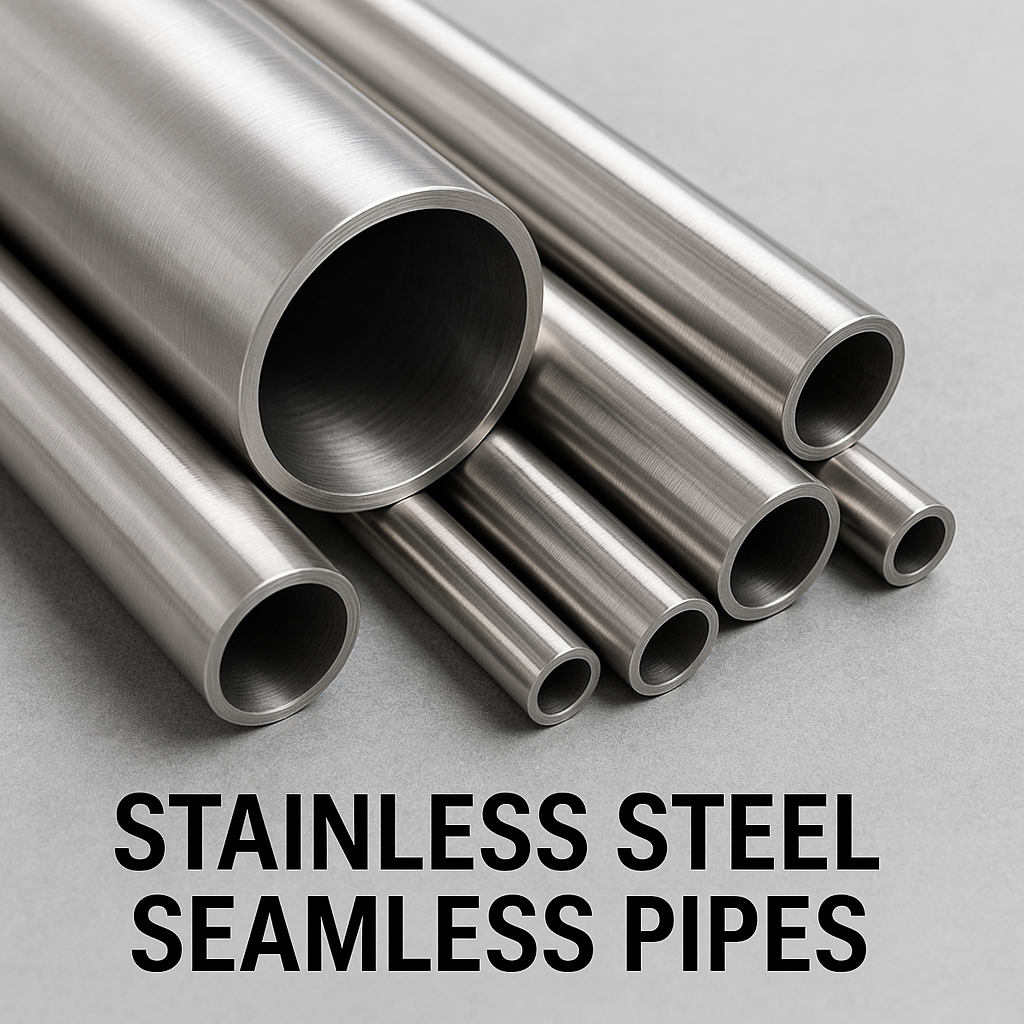
Stainless Steel (SS) pipes are one of the most versatile and widely used piping solutions across industries. Known for their strength, corrosion resistance, and long service life, SS pipes have become an essential material in construction, engineering, chemical, and food industries. Whether it’s carrying fluids at extreme temperatures or ensuring hygiene in food processing, stainless steel pipes deliver reliability where it matters the most. What Are Stainless Steel (SS) Pipes? Stainless steel pipes are hollow, cylindrical tubes made primarily from iron, chromium, and nickel, with varying amounts of other elements depending on the grade. The presence of chromium (at least 10.5%) forms a thin, protective oxide layer on the surface that prevents rusting, making SS pipes highly resistant to corrosion, scaling, and oxidation. Key Features of SS Pipes ✅ Corrosion Resistance – With chromium-rich composition, SS pipes resist rust even in harsh environments. ✅ High Strength – They withstand high pressure and temperature without cracking. ✅ Durability – Long service life with low maintenance costs. ✅ Hygienic – Smooth surface prevents bacterial growth, making them ideal for food, dairy, and pharmaceuticals. ✅ Versatile – Available in multiple grades, sizes, and finishes for different applications. Popular Grades of Stainless Steel Pipes SS 304 Pipes – Most commonly used grade, offering good corrosion resistance and weldability. SS 316 Pipes – Contains molybdenum, providing superior resistance to chlorides and marine environments. SS 310 Pipes – Excellent high-temperature strength and oxidation resistance. Duplex & Super Duplex Pipes – Higher strength and resistance to stress corrosion cracking. Applications of SS Pipes Stainless steel pipes are used across a wide range of industries: Oil & Gas Industry – Transporting corrosive fluids and gases. Chemical & Petrochemical – Withstanding acids, solvents, and extreme temperatures. Food & Beverage – Maintaining hygiene and preventing contamination. Pharmaceuticals – Clean piping systems for drugs and chemicals. Construction & Architecture – Structural frameworks, handrails, and decorative applications. Automotive & Power Plants – Exhaust systems, heat exchangers, and boilers. Advantages of Using Stainless Steel Pipes Long Lifespan – Outlasts conventional pipes like mild steel or galvanized pipes. Low Maintenance – No frequent replacement or painting required. Eco-Friendly – 100% recyclable, reducing environmental impact. Cost-Effective – Higher initial cost but lower lifetime cost due to durability. Choosing the Right SS Pipe When selecting stainless steel pipes, consider: Operating Temperature & Pressure Corrosive Environment (marine, chemical, etc.) Required Strength & Durability Industry Standards (ASTM, DIN, JIS, etc.) Final Thoughts Stainless steel pipes are the backbone of many industries, offering unmatched strength, hygiene, and corrosion resistance. Whether it’s SS 304 for general use or SS 316 for harsh environments, the right stainless steel pipe ensures reliability and efficiency in every application. If you’re looking for high-quality SS pipes and fittings in grades like SS 304 & SS 316, choose a trusted supplier who ensures strict quality standards, precise manufacturing, and timely delivery. Pooja steel and engineering in Vadodara is the top supplier of stainless steel pipes.
2025-08-18T04:23:32


 pipes are one of th)

Submit Your Enquiry